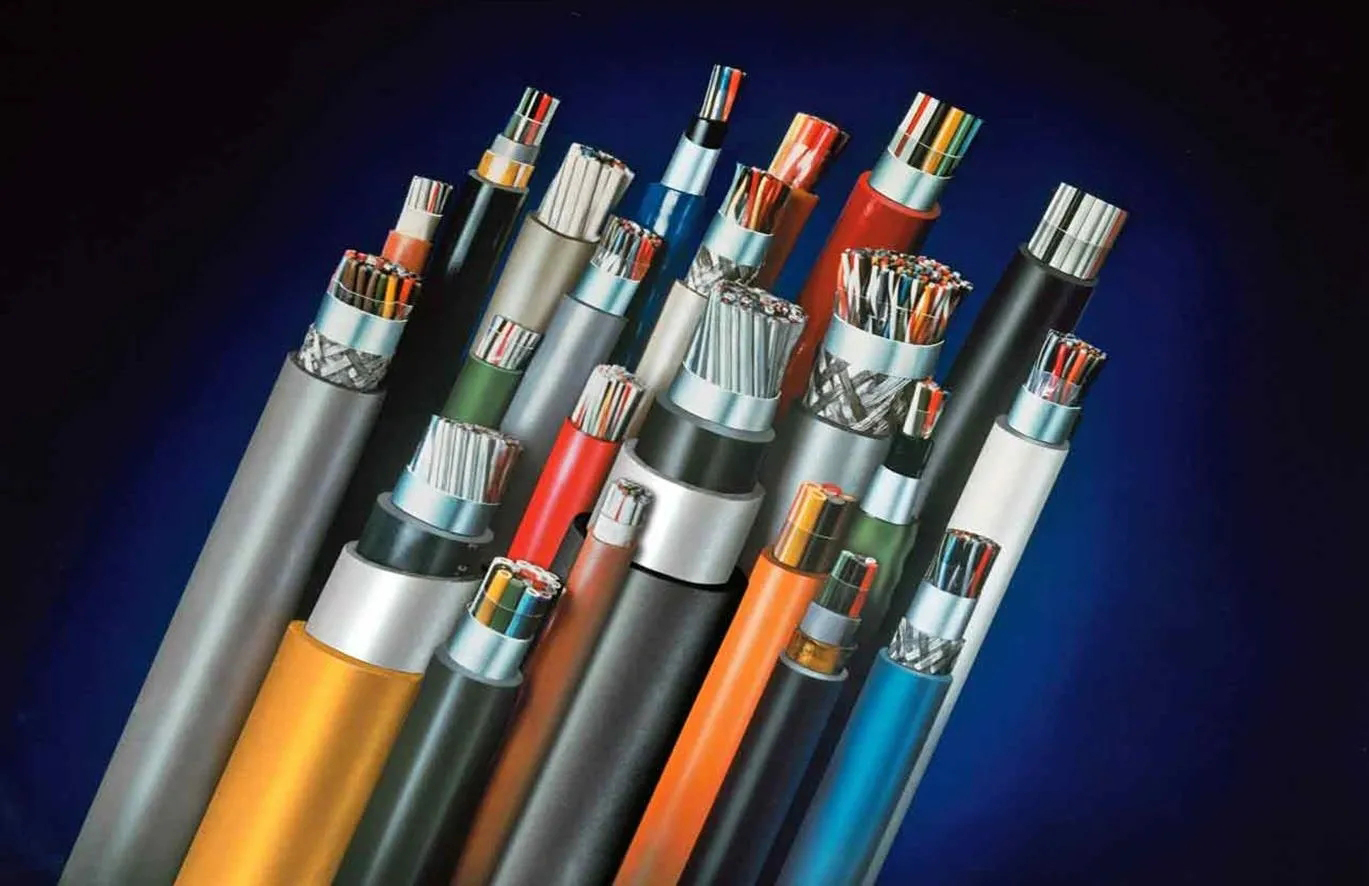




With the rapid development of the new energy vehicle industry, the performance requirements and technical standards of cables and wiring harnesses, which are the core connecting components of vehicles, are constantly upgrading, becoming one of the key factors affecting the safety, cruising range and intelligence level of new energy vehicles. Compared with traditional fuel vehicle cables, new energy vehicle cables need to meet higher requirements for safety, temperature resistance and anti-interference.
First of all, safety performance is the primary core of new energy vehicle cables. Since new energy vehicles adopt high-voltage power supply systems, cables need to have excellent insulation performance and voltage resistance level, be able to withstand electrical shocks in high-voltage environments, and prevent problems such as leakage and short circuits; at the same time, cables need to have good flame retardancy and aging resistance, and can maintain stable performance under complex working conditions such as high temperature and humidity, eliminating safety accidents caused by cable damage.
Secondly, the requirements for temperature resistance and lightweight are prominent. A large amount of heat will be generated during the operation of new energy vehicle battery packs, motors and other components, requiring cables to be able to adapt to extreme temperature environments from -40℃ to 150℃ or even higher, and at the same time have lightweight characteristics to reduce the overall weight of the vehicle and improve the cruising range. In addition, the intelligent development of new energy vehicles also puts higher requirements on the anti-interference performance of cables, which need to effectively shield electromagnetic interference and ensure the stable operation of on-board electronic equipment.
In the future, new energy vehicle cables will develop in the direction of high voltage, lightweight and integration. On the one hand, with the improvement of battery energy density, high-voltage cables will become the mainstream, further improving power supply efficiency; on the other hand, wiring harness integration technology will be continuously improved, reducing the number of cables, optimizing the layout inside the vehicle, and the application of environmentally friendly materials will be more extensive, in line with the green development concept of new energy vehicles. Enterprises need to keep up with industry trends, increase investment in technological research and development, improve the core competitiveness of products, and meet the rapid development needs of the new energy vehicle industry.