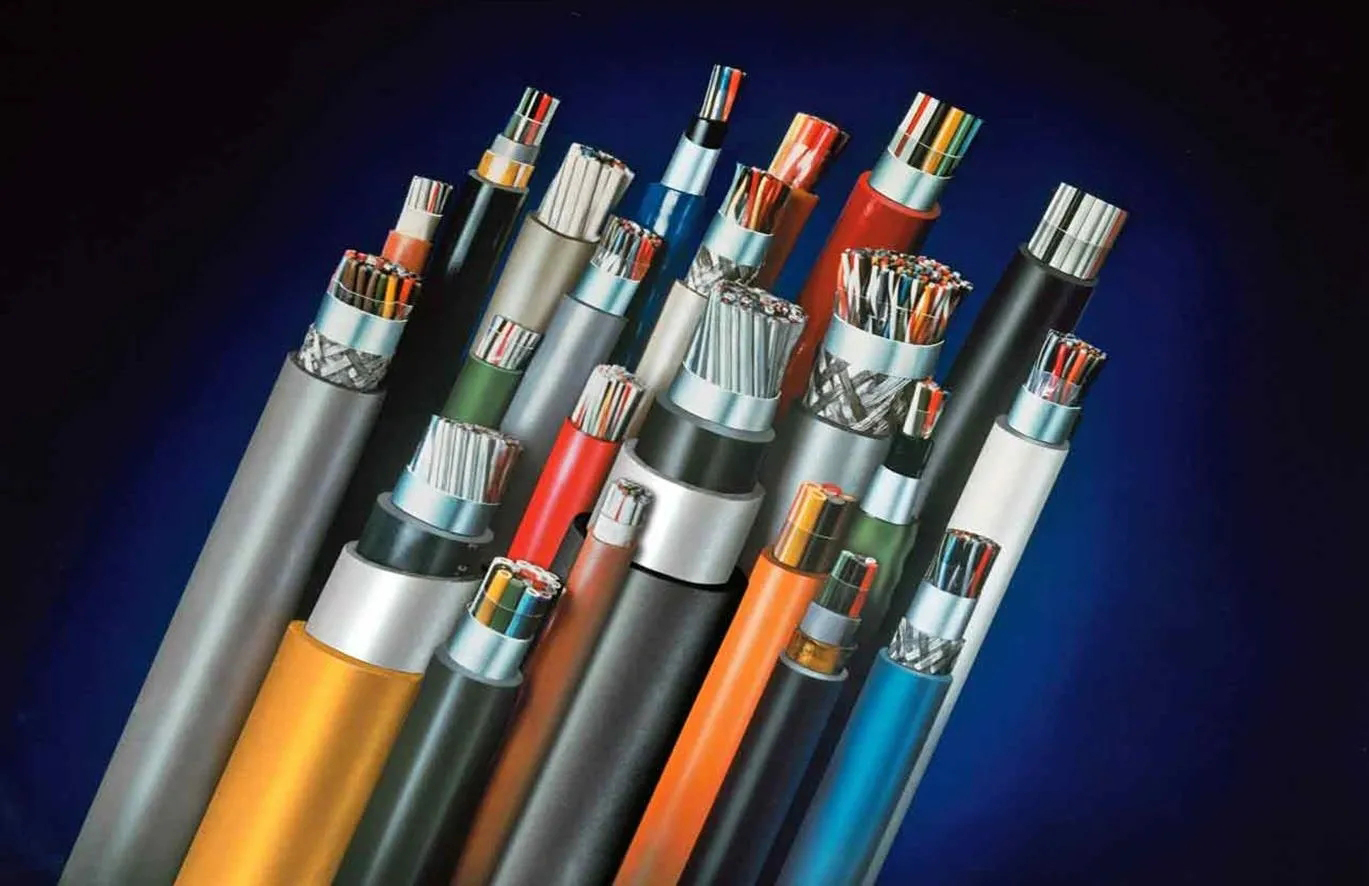



In the wire and cable industry, safety certification is the core threshold for products to enter the market and ensure usage safety, as well as an important embodiment of an enterprise’s core competitiveness. Different countries and regions have established distinctive certification systems based on their own safety standards and market needs. Only products that have passed the corresponding certifications can circulate legally and gain market recognition.
In the domestic market, CCC certification (China Compulsory Product Certification) is the basic access requirement for wire and cable products, covering various products such as power cords, data cables, and industrial wiring harnesses. It aims to ensure that products meet national safety standards in key indicators such as insulation performance, heat resistance, and flame retardancy through strict testing processes, eliminating potential safety hazards such as electrical fires and electric shocks caused by product quality issues.
In the international market, mainstream certification systems have their own focuses: US UL certification focuses on the fire resistance and service durability of products, and is the core certificate for entering the North American market; German VDE certification is famous for its strict quality control and has extremely high recognition in the European and even global markets; EU ENEC certification focuses on the environmental protection and safety of products, complying with the requirements of EU environmental directives such as RoHS; in addition, certifications such as India BIS, Indonesia SNI, and UK ASTA are respectively the key to market access in the corresponding countries and regions, covering the safety performance and localized adaptation needs of products.
For enterprises, laying out multi-country safety certifications is not only a necessary prerequisite for expanding overseas markets, but also a strict control and responsibility for product quality. By integrating management system certifications such as ISO9001, ISO14001, and IATF16949, and forming a linkage with product safety certifications, it is possible to achieve full-process quality control from production, testing to delivery, providing customers with more reliable and compliant cable products.