


Industrial control wiring harnesses are the “nerve center” of industrial automation equipment, responsible for signal transmission and power supply inside and between equipment. The rationality of selection and stability of quality directly affect the operation efficiency, reliability and service life of industrial automation systems. In industrial scenarios, due to complex environments and harsh working conditions, the selection and quality control of wiring harnesses are particularly important.
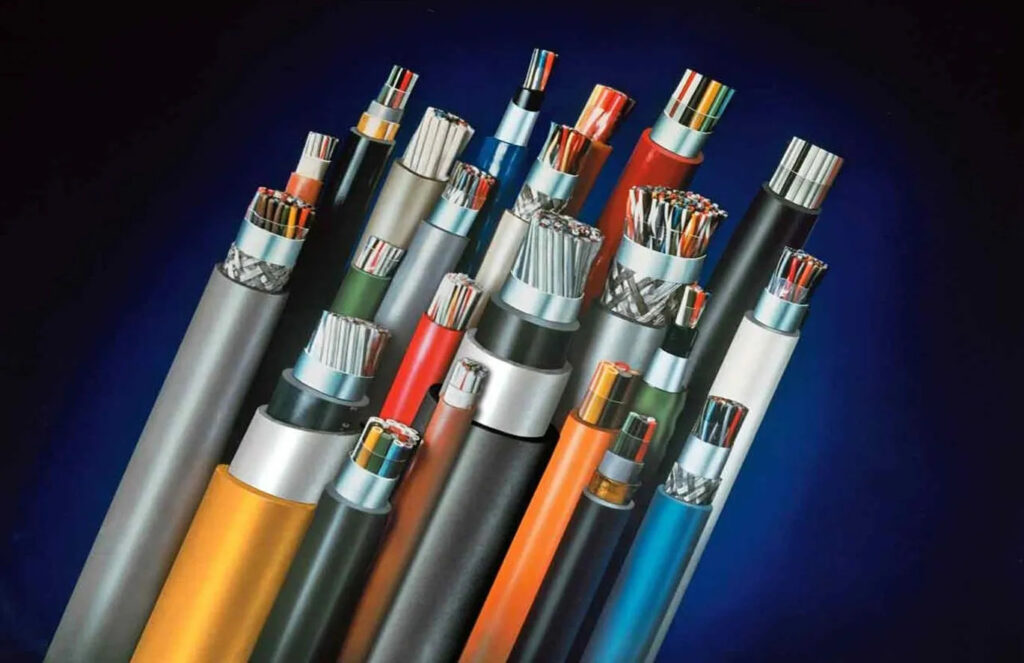
The selection of wiring harnesses needs to be combined with the specific needs of industrial scenarios, focusing on three core dimensions: first, environmental resistance performance. In industrial scenarios, there are often harsh environments such as high temperature, low temperature, dust, oil pollution and humidity. The wiring harnesses need to have corresponding temperature resistance, dustproof, waterproof and corrosion resistance performance to avoid signal transmission interruption or wiring harness damage caused by environmental factors; second, transmission performance. According to the signal type and transmission distance of the equipment, select the appropriate wire diameter, conductor material and shielding structure to ensure the stability and accuracy of signal transmission and reduce signal interference; third, mechanical performance. Industrial equipment may generate external forces such as vibration and pulling during operation, so the wiring harness needs to have good tensile and bending resistance to prevent cable breakage or poor contact.
Quality control is the key guarantee for the reliable operation of industrial control wiring harnesses. Enterprises need to establish a full-process quality control system. Starting from raw material procurement, strictly screen conductors, insulation layers, shielding layers and other raw materials that meet the standards to prevent unqualified raw materials from entering the production link; in the production process, strictly control key processes such as wire stripping, crimping, welding and assembly to ensure that each process meets the process standards and avoid problems such as insecure crimping and false welding; in the finished product testing link, multiple tests such as continuity test, insulation test, temperature resistance test and anti-interference test need to be carried out to ensure that all performance indicators of the wiring harness meet the requirements.
In addition, the demand for customization of industrial control wiring harnesses is becoming increasingly prominent. Due to the large differences in working conditions of different industries and equipment, standardized wiring harnesses are often difficult to meet personalized needs. Enterprises need to provide customized wiring harness design, production and solutions according to the specific needs of customers, optimize the wiring harness structure, improve the adaptability between the wiring harness and equipment, and provide strong support for the stable operation of industrial automation equipment.